
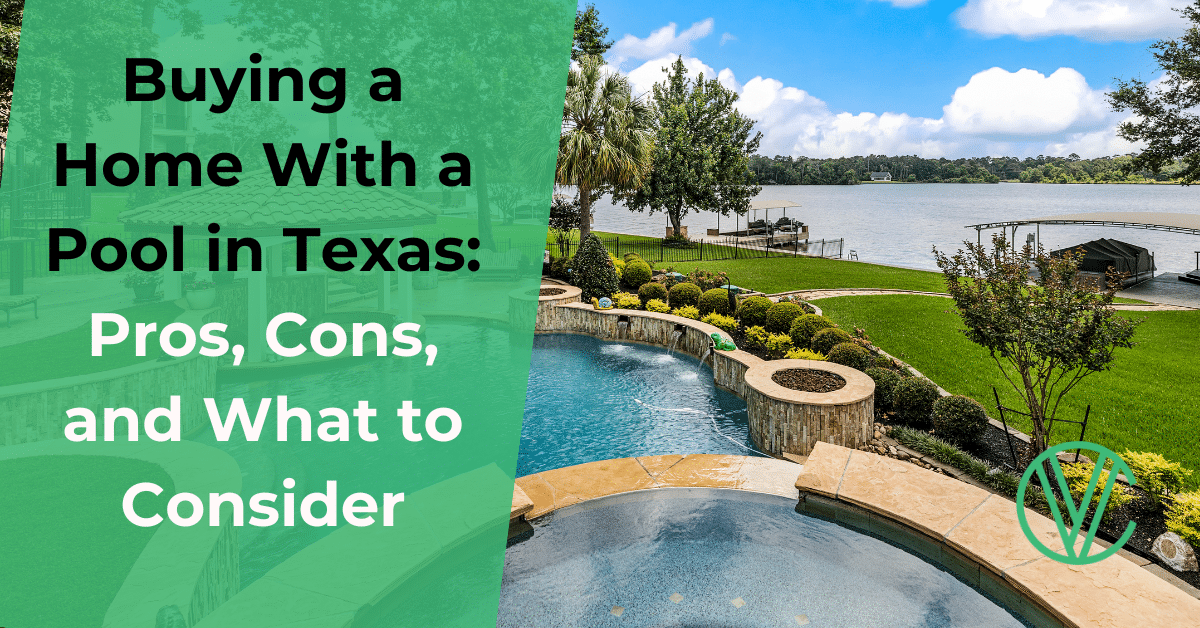
There’s no denying the appeal of having your own backyard pool, especially during a Texas summer. Whether you’re imagining weekend pool parties, a place for the kids to swim after school, or simply relaxing outside after a long day, it’s easy to see why homes with pools are in high demand throughout Montgomery County.
While a pool can be an incredible feature, it’s also a major investment that comes with ongoing responsibilities. Beyond the initial excitement, buyers should also consider maintenance, insurance, operating costs, and whether a pool truly fits their lifestyle.
If you’re searching for homes for sale with a pool in Conroe, Montgomery, Magnolia, Willis, The Woodlands, or the surrounding areas, here’s what to know before making an offer.
Benefits of Buying a Home With a Pool in Texas
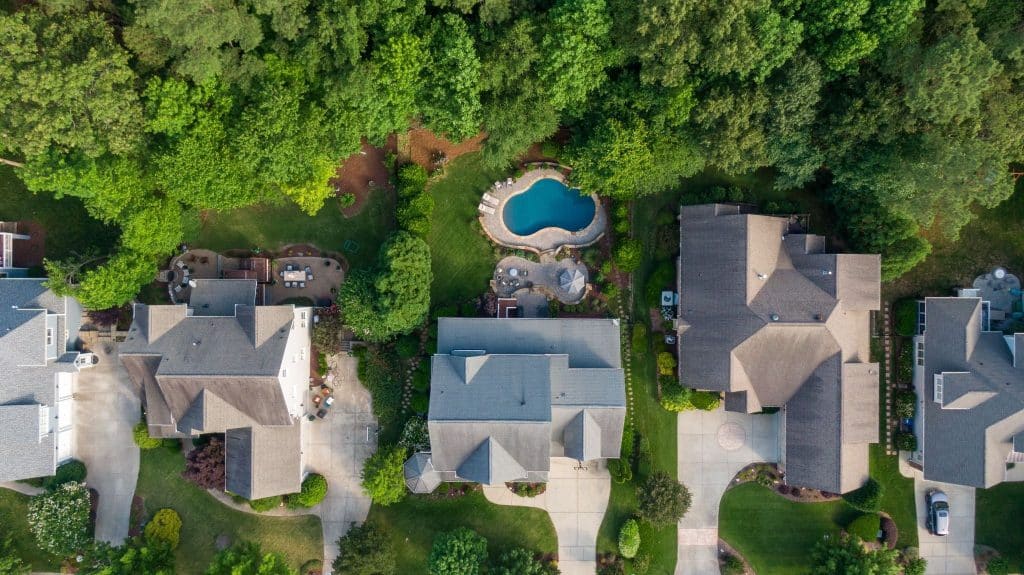
For many local homeowners, a pool is much more than a luxury feature, it’s an extension of their outdoor living space that can enhance everyday life and provide a 40-60% return on investment.
Enjoy Your Backyard All Summer Long
One of the biggest advantages is simply having a convenient place to cool off without leaving home. Instead of packing up for a community pool or planning trips to the lake, homeowners can enjoy their own backyard whenever they choose. And because Texas experiences long, hot summers, pools often get far more use in our area than they might in cooler parts of the country.
Create the Perfect Space for Entertaining
Pools naturally create a gathering place for family and friends. From birthday parties and holiday cookouts to quiet evenings spent outdoors, a well-designed backyard can become one of the most frequently used areas of the property. For buyers who enjoy entertaining or spending time outside, a pool may significantly improve their overall enjoyment of the home.
Appeal to Future Buyers (Potentially)
A pool may also appeal to future buyers, particularly in neighborhoods where pools are common. However, whether a pool adds value depends on several factors, including the home’s location, neighborhood expectations, pool condition, and overall market demand rather than simply having a pool. According to HAR, pools often provide the greatest return in neighborhoods where they are considered an expected feature rather than a luxury upgrade.
Does a Pool Add Value to a Home in Texas?
One of the most common questions buyers ask is whether a swimming pool actually increases a home’s value. The answer is: it depends.
A well-maintained pool can absolutely be an attractive feature because buyers expect to spend much of the year outdoors. In many parts of Texas, especially throughout Montgomery County, a pool can add roughly 7-10% to a home’s market value. In neighborhoods where pools are common, a well-maintained pool may help a home stand out and appeal to more buyers.
However, a pool doesn’t automatically increase a home’s value dollar for dollar. Factors such as the pool’s age, condition, size, design, energy efficiency, and how well it complements the property all play a role. An outdated pool that requires significant repairs may actually be viewed as a major future expense rather than an added benefit.
This is one reason why working with a local real estate professional is so valuable. When representing a buyer or seller, I always evaluate comparable sales in the neighborhood to determine how much value buyers are currently placing on homes with pools rather than relying on general assumptions. I discuss this more in my blog about pricing your home when selling in Montgomery County. Pricing a home accurately starts with understanding what similar properties have recently sold for, not just what homeowners hope their property is worth. The same principle applies when determining how much value a pool adds to a particular home.
Potential Downsides of Buying a Home with a Pool
While pools offer many benefits, they’re not the right fit for everyone.
Ongoing Maintenance
Routine maintenance is one of the biggest considerations. Pools require regular cleaning, water testing, chemical balancing, equipment inspections, and seasonal maintenance. Even if you hire a pool service, these ongoing expenses should be included in your overall homeownership budget.
Higher Monthly Operating Costs
Utility costs may also increase. Running pumps, heaters, and other pool equipment can raise monthly electricity expenses, particularly during the hottest months of the year when the pool sees the most use.
Future Repairs and Replacement Costs
Buyers should also think about long-term repair costs. Pool surfaces eventually need resurfacing, equipment such as pumps and filters will require replacement over time, and unexpected repairs can be expensive.
Safety Considerations
Safety is another important factor, especially for families with young children or pets. Pool fences, gates, alarms, and other safety features may be necessary depending on your household and local regulations.
Resale Isn’t Guaranteed
While many Texas buyers actively search for homes with pools, others prefer lower-maintenance properties or more usable yard space. If you plan to sell in the future, buyer preferences can influence how your home compares with others currently on the market.
How Much Does it Cost to Own a Pool in Texas?

Credit: Citizens Bank
The cost of owning a pool varies depending on its size, age, equipment, and whether you handle maintenance yourself or hire a professional. In general, homeowners should budget for routine expenses such as:
- Chemicals and water testing
- Electricity for pumps and equipment
- Occasional repairs and equipment replacement
- Professional pool service or cleaning (or consider the time it takes)
- Increased water usage
- Potential increases in homeowners insurance
For many Texas homeowners, annual pool maintenance costs typically range from about $1,500 to $3,000, not including major repairs or upgrades. Heated pools, older equipment, or unexpected repairs can increase those costs.
While these expenses shouldn’t necessarily discourage buyers, they should be factored into your overall homeownership budget just like lawn care or HVAC maintenance.
What to Look For When Touring a Home For Sale with a Pool
A beautiful pool can be a major selling point, but it’s important to look beyond the sparkling water. As you tour the home, pay attention to both the pool itself and the equipment that keeps it running.
Look for:
- Visible cracks or damage to the pool shell, tile, coping, or surrounding decking.
- The age and condition of the equipment, including the pump, filter, heater, and any automation systems.
- Signs of leaks, water loss, or poor drainage around the pool.
- Clean, well-maintained water, which may indicate the pool has been properly cared for.
- Safety features, such as fencing, self-closing gates, alarms, or removable safety fences, especially if you have young children or pets.
- Maintenance records, if available, to see whether the seller has kept up with routine service and repairs.
- Recent repairs or upgrades, such as resurfacing, replacing equipment, or installing energy-efficient systems.
Before closing, it’s also a good idea to schedule a professional pool inspection in addition to your standard home inspection. A pool specialist can evaluate the structure, plumbing, equipment, and overall condition of the pool, helping you avoid unexpected repairs after you move in.
Is Buying a Home With a Pool Right for You?
A pool can be an incredible addition to your home, but the right choice depends on your lifestyle. If you enjoy spending time outdoors, entertaining family and friends, or have children who will use the pool regularly, it may quickly become one of your home’s favorite features.
However, buyers who prefer lower-maintenance living or don’t see themselves using a pool often may find the added upkeep and operating costs aren’t worthwhile. Thinking about how you’ll realistically use the pool can help you decide if it’s the right fit for your family.
Searching For Homes For Sale with a Pool? Work with a Local Real Estate Professional
Whether a pool is at the top of your wish list or simply a feature you’re considering, working with a local real estate professional can help you make a confident decision.
If you’re searching for homes with pools in Conroe, Montgomery, Magnolia, Willis, The Woodlands, or the surrounding Montgomery County area, I’d love to help you find the right fit.
Find Your Perfect Home with Clearview Real Estate
Buying a home with a pool is about more than finding a beautiful backyard, it’s about choosing a home that fits your lifestyle, budget, and long-term goals. Whether you’re just beginning your search or are ready to schedule a showing, Clearview Real Estate is here to help.
Contact Nicole today to start exploring homes for sale with pools in Montgomery County.




Leave a Reply