

Whether you’re getting ready to sell your home in Montgomery County or you’ve found a house you’re thinking about buying, there’s an important document you’ll likely encounter during the process: the seller’s disclosure notice.
For sellers, it can bring up questions about what you’re legally required to share, especially if your home has had repairs or problems in the past. For buyers, it’s an opportunity to learn more about a property’s history and condition before making one of life’s biggest investments.
But what exactly are Texas homeowners required to disclose? And what should buyers be looking for when they receive that information?
Let’s walk through Texas seller disclosure requirements, why they matter to both sides of a real estate transaction, and what Montgomery County buyers and sellers should know before moving forward.
What Is a Texas Seller’s Disclosure Notice?

A seller’s disclosure notice is a document that provides buyers with information about a property’s condition, including known defects, previous damage, repairs, and other important details about the home.
Under Section 5.008 of the Texas Property Code, most sellers of previously occupied single-family homes are required to provide this information to buyers. The Texas Real Estate Commission (TREC) provides a standardized form to help sellers meet these requirements.
The purpose is simple: to help buyers understand more about the home they’re considering purchasing while giving sellers an opportunity to be transparent about its condition.
One important distinction is that the disclosure is based on the seller’s knowledge at the time they complete it. It’s not a guarantee that the home is free of problems, and it doesn’t replace a professional home inspection.
What Do Sellers Have to Disclose in Texas?
Texas seller disclosure requirements cover a wide range of property conditions. While the official notice includes specific questions, most disclosures fall into a few major categories.
Previous Damage, Repairs, and Major Home Systems
Has the home experienced foundation problems, roof leaks, water damage, or other significant issues? Have repairs been made to address those problems?
The seller’s disclosure addresses known defects and conditions involving several parts of the home, including:
- Foundation and structural components
- Roofing and previous leaks
- Plumbing and electrical systems
- Heating and air conditioning
- Water heaters and other equipment
- Termite damage or previous infestations
But here’s something worth remembering: A history of repairs doesn’t automatically mean a home is a bad investment.
Most homes need maintenance over the years, and knowing that a problem was professionally addressed can be valuable information for buyers. If you’re selling, having repair records, warranties, or inspection documentation available can help answer questions about the property’s history.
Flooding and Drainage Problems
Flooding is an especially important consideration in Montgomery County, where drainage conditions and flood risks can vary from one neighborhood to another.
Texas disclosures address previous flooding, flood damage, flood insurance claims, and certain floodplain designations.
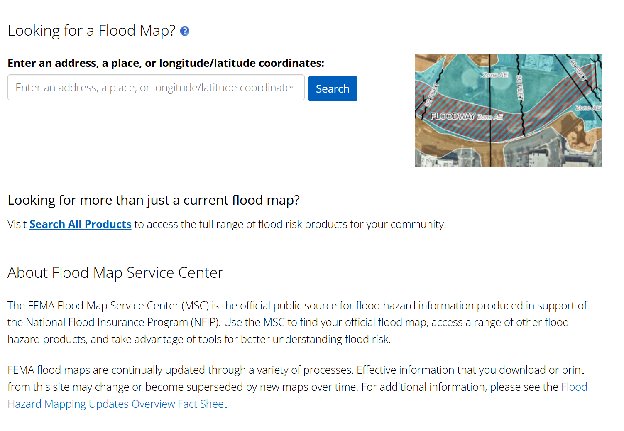
For buyers, this information can help determine whether additional research or inspections are needed. You can also research a property’s location using the FEMA Flood Map Service Center, although being outside a designated floodplain doesn’t necessarily mean a property has never flooded.
Other Property Conditions
Depending on the property, sellers may also need to disclose certain environmental hazards, boundary concerns, unpermitted improvements, and other conditions affecting the home.
Additional disclosure requirements can apply in specific circumstances. For example, federal law generally requires lead-based paint disclosures for most residential properties built before 1978.
If you’re selling, it’s important to review the current form carefully rather than assuming you know everything that needs to be included. Your real estate agent can help you understand the disclosure process, walk you through the paperwork, and identify when you may need additional guidance to make sure you’re meeting the necessary requirements.
Why Are Seller Disclosures Important for Homebuyers?
When you’re touring homes, it’s easy to focus on the things you can see. You notice the kitchen, the backyard, the floor plan, and whether you can picture your family living there.
But some of the most important details about a home aren’t immediately visible. A seller’s disclosure gives buyers additional information about the property’s history so they can make a more informed decision.
For example, if a seller reports previous foundation repairs, a buyer may want to review the repair documentation or have a foundation specialist evaluate the property. If the home has experienced flooding, the buyer may want to investigate the property’s flood risk and insurance considerations.
A disclosed problem doesn’t necessarily mean you should walk away from a home. It means you have information that can help you decide what questions to ask and what additional steps to take.
This is one reason I believe having an experienced buyer’s agent in Montgomery County is so important. Understanding the paperwork is one thing, but knowing how to evaluate the information and navigate the next steps can make a big difference.
Does a Texas Seller’s Disclosure Replace a Home Inspection?
No, and this is something I always want buyers to understand.
A seller’s disclosure and a home inspection serve different purposes. The disclosure shares what the seller knows about the property, while an inspection allows a professional to evaluate its current condition and potentially identify issues the seller may not know about.
Reviewing the disclosure before your inspection can help you identify areas that deserve a closer look. And even if the seller hasn’t reported any major problems, I always encourage buyers to have the home professionally inspected before moving forward.
Want to know what else happens after your offer is accepted? Read my step-by-step guide to buying a home in Texas.
What Happens If a Seller Doesn’t Disclose a Known Problem in Texas?
Texas takes seller disclosure requirements seriously, and failing to disclose a known material problem can potentially lead to legal disputes or other complications.
Under Texas Property Code Section 5.008, sellers generally must provide the required notice on or before the effective date of the purchase contract.
If the required notice is delivered after the contract becomes effective, the buyer may have the right to terminate the contract for any reason within seven days of receiving it, subject to the applicable statutory and contractual deadlines.
But what if a seller genuinely doesn’t know about a problem?
The law generally requires sellers to complete the notice based on their knowledge and belief at the time they sign it. If the information is truly unknown, the seller can indicate that on the form.
There are also exceptions to the standard disclosure requirement, including certain estate transfers, foreclosures, and sales of newly constructed homes that have never been occupied.
However, an exemption from the standard notice doesn’t necessarily eliminate other legal disclosure obligations. If there are questions about a particular property or potential legal liability, a Texas real estate attorney can provide guidance.
What Should Buyers and Sellers Do With the Seller’s Disclosure Notice?
Whether you’re buying or selling, the best approach is to treat the disclosure as an important part of the process rather than just another form to sign.
If you’re selling a home, take your time completing the notice, answer questions honestly, and gather any available documentation related to previous repairs or property issues. Getting this information organized early can make the process easier, and it’s just one of several steps you can take when preparing to sell your Montgomery County home.
You can also work with an experienced Montgomery County listing agent to understand the overall selling process, prepare your home for the market, and know when additional professional guidance may be needed.
If you’re buying a home, read the disclosure carefully rather than simply signing to acknowledge that you’ve received it. Pay attention to reported problems, ask questions about anything you don’t understand, and use the information to help guide your inspections and other due diligence.
Remember, the goal isn’t necessarily to find a home that’s never had a problem. It’s to understand the property you’re purchasing and feel comfortable with the decisions you’re making.
Have Questions About Texas Seller Disclosure Requirements? Let’s Talk!
Whether you’re preparing to sell your home or you’ve found one you’re interested in buying, understanding seller disclosures is an important part of making informed decisions. And while the paperwork can feel overwhelming, you don’t have to navigate it alone.
At Clearview Real Estate, I’m here to help buyers and sellers throughout Montgomery County understand what to expect, ask the right questions, and feel confident throughout the process. From reviewing disclosures and navigating inspections to negotiating and closing, I’ll be right there to guide you every step of the way.
Let’s connect and talk about your real estate goals. Whether you’re buying or selling in Conroe, Montgomery, Willis, Magnolia, or The Woodlands, I’d love to help you take that next step with confidence.





Leave a Reply