

Your offer was accepted! Congratulations!
After touring homes, comparing your options, and maybe refreshing your email a few too many times waiting for an answer, you’re officially one step closer to becoming a homeowner.
But now you might be wondering, what happens after your offer is accepted?
If this is your first time buying a home, you may be surprised to learn just how much happens between signing a contract and getting your keys. There are inspections to schedule, deadlines to meet, paperwork to review, and a few important decisions along the way.
The good news? You don’t have to figure it all out on your own.
Whether you’re buying a house in Conroe, Montgomery, Magnolia, Willis, The Woodlands, or anywhere else in Montgomery County, TX, here’s what you can expect after your offer is accepted on a house in Texas.
What Happens After Your Offer Is Accepted on a House in Texas?
Once the buyer and seller have signed the contract and it has been executed, you’re officially under contract!
That means you’ve agreed on the terms of the sale, but the home isn’t yours just yet.
The next phase of the home buying process in Texas involves making sure the property, financing, and legal details are all in order before closing.
For most buyers, this includes:
- Delivering earnest money and the option fee
- Scheduling a home inspection
- Finalizing mortgage financing
- Completing the appraisal
- Reviewing title information
- Preparing for closing
- Completing a final walkthrough
- Signing closing documents and receiving your keys
Some of these steps happen at the same time, and the exact timeline depends on your contract, lender, and circumstances.
Let’s walk through what each step means and what you’ll need to do.
Step 1: Submit Your Earnest Money and Option Fee
One of the first things you’ll need to do after your offer is accepted is deliver your earnest money and option fee.
These are two different payments, and understanding the difference is important.
Earnest money is a good-faith deposit that shows the seller you’re serious about purchasing the property. It’s typically held by the title company or another escrow agent and credited toward your purchase at closing.
The option fee is a negotiated payment that, when properly paid under a contract with a termination option, gives you the unrestricted right to terminate the contract during the agreed-upon option period.
Under the Texas Real Estate Commission’s One to Four Family Residential Contract (Resale), buyers generally have three days after the contract’s effective date to deliver both payments to the escrow agent, subject to the contract’s deadline provisions.
These deadlines matter! Missing them can have consequences, including potentially losing your unrestricted right to terminate during the option period.
This is one of the reasons having an experienced Realtor in your corner is so valuable. I’ll help you understand your contract, keep track of important dates, and know what needs to happen next.
Step 2: Schedule a Home Inspection During the Texas Option Period

Next up is the home inspection.
A home inspection can uncover issues you might not notice during a showing, which is why I always encourage buyers to take this step seriously. I’ve covered why a home inspection in Montgomery County, TX matters in more detail, including how it can help you make a more informed purchase.
A licensed home inspector will evaluate accessible components of the property, including things like the roof, foundation, plumbing, electrical systems, and HVAC equipment.
The Texas Real Estate Commission’s Standards of Practice establish minimum requirements for inspections performed by licensed Texas inspectors.
What Happens if the Home Inspection Finds Problems?
First, don’t panic!
Almost every home inspection reveals something, even in houses that appear to be in excellent condition.
The important thing is understanding which findings are routine maintenance items and which might require more attention.
Depending on what the inspection reveals, you may decide to:
- Move forward with the purchase as planned
- Request that the seller make certain repairs
- Negotiate different terms, such as a seller credit
- Terminate the contract if you have an available contractual right to do so
According to the Texas Real Estate Commission, buyers can use their option period to inspect a property and negotiate repairs.
Remember, the option period doesn’t last forever. Under the standard Texas resale contract, the termination option expires at 5 p.m. local time on the final day of the agreed-upon period.
I’ll help you review the findings, discuss your options, and communicate with the seller’s agent so you can make an informed decision.
Step 3: Finalize Your Mortgage Financing in the Texas Home Buying Process
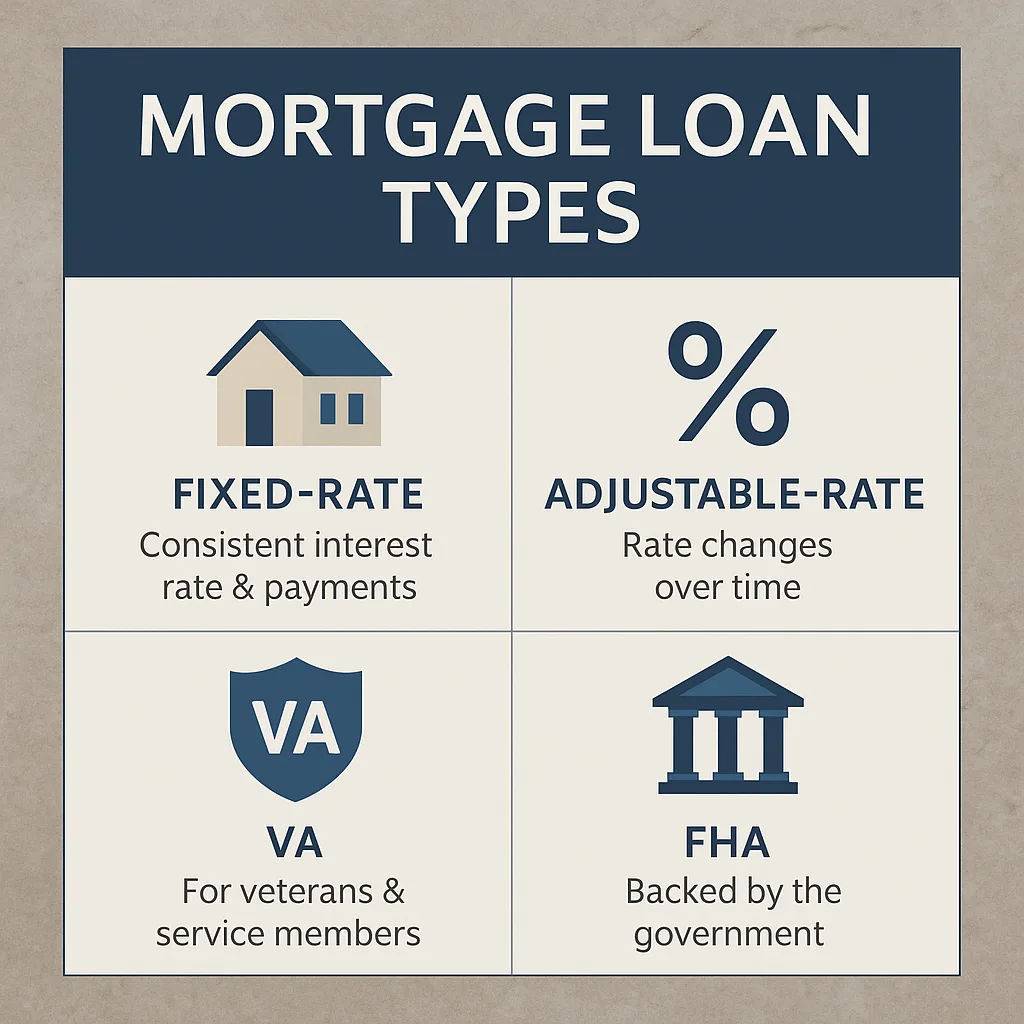
If you’re financing your home purchase, your lender will continue working on your mortgage after the contract is executed.
Even if you’ve already been preapproved, there’s still a process to complete before your loan receives final approval.
Your lender may request updated bank statements, pay stubs, tax documents, employment verification, or additional information about your finances.
This is all part of mortgage underwriting, when the lender reviews your financial information and determines whether your loan meets its requirements.
The Consumer Financial Protection Bureau’s home-buying resources explain what buyers can expect as they move from choosing a mortgage to preparing for closing.
What Should You Avoid Doing Before Closing?
Here’s something I always want buyers to understand: just because your offer has been accepted doesn’t mean it’s time to start shopping for all that new furniture!
Until your mortgage is finalized, it’s generally best to avoid making major financial changes without talking to your lender first.
That includes:
- Opening new credit cards or financing furniture
- Making large purchases that affect your savings or debt
- Changing jobs without discussing it with your lender
- Moving large amounts of money without documentation
- Taking on additional loans
Your lender may need to verify your financial situation again before closing, so keeping things consistent can help prevent unnecessary complications.
Step 4: Complete the Home Appraisal Before Closing in Texas
If you’re getting a mortgage, your lender will typically require an appraisal to help determine the property’s value.
This is different from a home inspection.
While an inspection focuses on the home’s condition, an appraisal helps the lender determine whether the property’s value supports the loan.
An appraiser considers factors such as the home’s size, condition, location, features, and comparable property sales.
The Consumer Financial Protection Bureau explains home appraisals and why they’re an important part of the mortgage process.
Want to know more about what the appraiser looks for and what happens if the value comes in lower than expected? I’ve put together a complete guide to the home appraisal process in Montgomery County, TX that walks you through it.
Step 5: Understand the Title Company’s Role in the Texas Closing Process
While you’re working through inspections and financing, the title company is also doing important work behind the scenes.
The title company helps coordinate the closing process and examines property records for potential ownership or title issues.
This can include identifying existing liens, ownership questions, easements, or other matters that may affect the property.
Title insurance is another important part of this process. In Texas, title insurance is regulated by the Texas Department of Insurance.
There are generally two types of title insurance policies:
- Lender’s title insurance: Protects the lender’s interest in the property and is commonly required when financing a purchase.
- Owner’s title insurance: Protects the homeowner against certain covered title problems, subject to the policy’s terms and exclusions.
The title company will also help coordinate closing documents, funds, and other details needed to complete the transaction.
You won’t necessarily have much to do during this stage, but it’s an important part of making sure everything is ready for closing day.
Step 6: Review Your Closing Disclosure Before Closing on a Texas Home
As closing day approaches, you’ll receive a document called the Closing Disclosure if you’re using a mortgage covered by the federal disclosure requirements.
This document outlines the final details of your loan, including:
- Your loan amount and interest rate
- Your estimated monthly mortgage payment
- Closing costs and fees
- Property taxes and insurance estimates
- The amount of money you’ll need to bring to closing
According to the Consumer Financial Protection Bureau, lenders are generally required to provide the Closing Disclosure at least three business days before closing.
This gives you time to review everything and ask questions before signing. You can also use the CFPB’s interactive Closing Disclosure guide to better understand each section.
If you’re wondering how all these expenses add up, I’ve also broken down the costs to budget for when buying a home in Montgomery County, including expenses beyond your down payment.
My advice? Don’t wait until you’re sitting at the closing table to ask about something that doesn’t look right.
Review your documents carefully, compare them with your earlier Loan Estimate, and reach out to your lender or title company if you notice anything unexpected.
And one more important reminder: always verify wiring instructions directly with your title company using a trusted phone number before sending money. Real estate wire fraud is a serious concern, and last-minute emails requesting changes to wiring instructions should be treated with caution.
Step 7: Complete Your Final Walkthrough Before Closing in Texas
You’re almost there!
Shortly before closing, you’ll typically have the opportunity to complete a final walkthrough of the property.
This isn’t another full home inspection. Instead, it’s your chance to confirm that the property is in the expected condition before you finalize the purchase.
During your walkthrough, you’ll want to check that:
- The home is in substantially the same condition as when you agreed to purchase it, subject to the contract
- Any negotiated repairs have been completed as agreed
- Appliances and fixtures included in the sale are still there
- The seller has removed their belongings as required
- There are no obvious new issues or damage
If something isn’t right, it’s much easier to address it before closing than after you’ve signed the final paperwork.
I’ll walk through the home with you, help identify any concerns, and communicate with the other parties if something needs to be resolved.
Step 8: Closing Day! The Final Step in the Texas Home Buying Process

You’ve made it to closing day!
This is when all the work you’ve done over the past several weeks finally comes together.
You’ll typically meet with the title company or closing agent to review and sign the documents needed to complete your purchase.
These may include your mortgage note, deed of trust, settlement documents, and other required paperwork.
The Consumer Financial Protection Bureau’s closing guide provides a helpful overview of what buyers can expect at the closing table.
You’ll also need to make sure any required funds have been delivered according to your title company’s verified instructions.
When Do You Actually Get the Keys to Your New Home?
This is the part everyone looks forward to!
In Texas, signing your closing documents doesn’t always mean you immediately get the keys.
The transaction generally needs to be funded, meaning the lender has released the necessary funds and the title company has confirmed the closing requirements have been satisfied.
Once the transaction has funded and the seller is required to deliver possession under the contract, it’s time to celebrate!
You officially have a new place to call home.
Navigate the Home Buying Process in Montgomery County, TX, With Confidence
Getting your offer accepted is exciting, but it’s just one part of the journey to homeownership.
From inspections and appraisals to financing and closing documents, there are a lot of moving pieces. And when you’re buying a home for the first time, it’s completely normal to have questions along the way.
That’s why having the right Realtor matters.
Whether you’re purchasing your first home in Conroe, moving to Montgomery, or finding the perfect place for your family in Magnolia, Willis, or The Woodlands, I’m here to make the process feel a little less overwhelming.
My goal is to help you understand what’s happening, stay ahead of important deadlines, and feel confident about every decision you make.
Thinking about buying a home in Montgomery County, TX? Let’s connect! I’d love to help you navigate the process from your first showing all the way to closing day.




Leave a Reply